296 posters, 7 videos, 13 audios, 14 topics, 10 sessions, 1,019 authors, 260 institutions
ePostersLive by SciGen Technologies S.A. All rights reserved.
RCOphth Annual Congress 2026
18 - 21 May, 2026 | Manchester Central, Manchester

P281
Is the Selection of Uveitis Clinical Trial Endpoints Impeding the Translation of Immunomodulatory Therapies into Front Line Care? A Systematic Review
Poster Presenter
Part of Topic
Uveitis
Is the Selection of Uveitis Clinical Trial Endpoints Impeding the Translation of Immunomodulatory Therapies into Front Line Care? A Systematic Review
Authors: Gabriel J. Bellamy Plaice1*, Alexander J. Sherlock2*, James A. Roberts PhD1, Benjamin J. Hewitt PhD1, Ameenat Lola Solebo PhD3, Chloe N. Thomas PhD1, Imran Masood1, Alexandra J. Sinclair PhD4, David Moore PhD5, Colin J Chu PhD6, Alastair K. Denniston PhD5, 10, Hannah F. Botfield PhD7, Susan P. Mollan PhD4,8, Tasanee Braithwaite FRCOphth9+, Lisa J. Hill PhD1,2,10+
* = Joint first author. These authors have contributed equally + = Joint senior author These authors have contributed equally
1 Department of Biomedical Sciences, School of Infection, Inflammation, and Immunology, College of Medicine and Health, University of Birmingham, Birmingham UK 2 University Hospitals Birmingham, Birmingham UK 3 University College London Great Ormond Street Institute of Child Health, London UK 4 Department of Metabolism and Systems Research, School of Medical Sciences, College of Medicine and Health, University of Birmingham, Birmingham UK 5 Department of Applied Health Sciences, School of Health Sciences, College of Medicine and Health, University of Birmingham, Birmingham UK 6 Institute of Ophthalmology, University College London & NIHR Moorfields Biomedical Research Centre for Ophthalmology, London UK 7 Department of Inflammation and Ageing, School of Infection, Inflammation, and Immunology, University of Birmingham, Birmingham UK 8 Department of Ophthalmology, Queen’s University, Kingston, Ontario, Canada 9 School of Immunology and Microbiology, King’s College London, The Medical Eye Unit, Guy’s and St Thomas’ Hospital NHS Foundation Trust, London UK 10 Birmingham Biomedical Research Centre, National Institute for Health and Care Research, University Hospitals Birmingham, Birmingham UK
Background
•Non-infectious uveitis is a heterogeneous inflammatory eye disease and an important cause of visual morbidity.
•Despite expanding immunomodulatory treatment options, inconsistent trial endpoints may limit comparison, synthesis, and translation into routine care.
•We systematically reviewed RCTs of immunomodulatory therapies to assess endpoint heterogeneity, risk of bias, and associations with trial completion.
Objectives
Primary objective: To identify, classify and quantify outcome measures used in randomised controlled trials of immunomodulatory therapies for non-infectious uveitis, and assess whether risk of bias was associated with trial success.
Secondary objectives: To describe the components of composite efficacy outcomes, examine how outcome type relates to Cochrane Risk of Bias 2 assessments, and explore variation by uveitis subtype, trial phase and intervention class.
Method
•Registered on PROSPERO: CRD42024530345
•Reported in line with PRISMA 2020 guidance
•ClinicalTrials.gov and the World Health Organisation International Clinical Trials Registry Platform searched from inception to 11 December 2024
•Included randomised controlled trials of immunomodulatory therapies for non-infectious uveitis with a defined comparator and at least one uveitis-related outcome
•Two reviewers independently screened records, disagreements were resolved through discussion or arbitration
•Outcomes were grouped by domain, primary or secondary status, efficacy or safety focus, and inclusion within composite endpoints
•Outcome-level risk of bias was assessed using the Cochrane Risk of Bias 2 tool
Study Selection
1,259 records identified
100 randomised controlled trials included
742 outcomes analysed
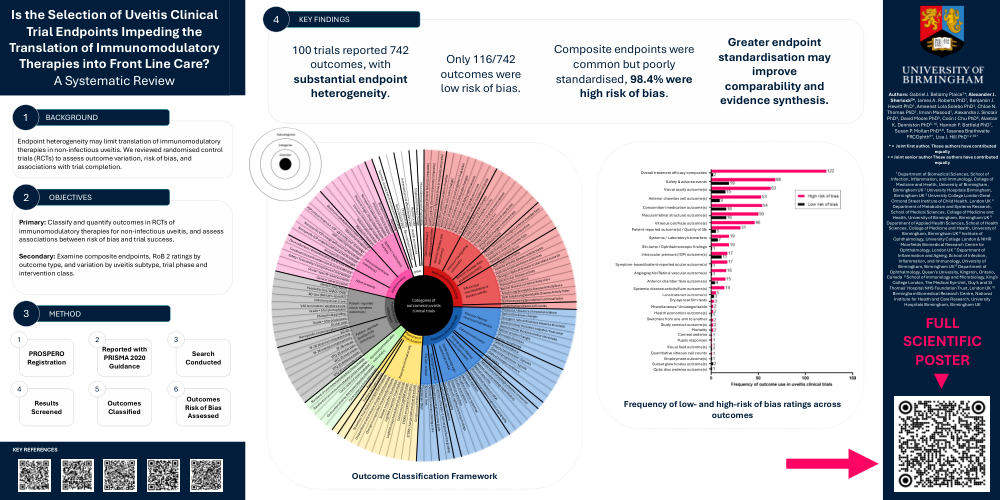
FIGURE 1. Outcome classification framework
Outcomes were grouped into seven efficacy or safety domains, then classified by the specific variable measured. Similar outcome definitions were further grouped into shared subcategories to enable comparison across trials.
FIGURE 2. Frequency of outcome measures across domains
Of the 742 outcomes, 599 were efficacy-focused and 143 were safety-focused. Efficacy outcomes most commonly assessed disease activity, tissue damage, visual function, concomitant medication use, and patient-reported outcomes.
Composite Endpoints
64/100 trials used composite efficacy endpoints
124 composite efficacy outcomes identified
24 different composite types
33% were based on non-specific clinical opinion
FIGURE 3. Distribution of risk of bias ratings across outcome categories (A) Frequency and proportion of low- and high-risk of bias ratings across outcome categories. (B) Distribution of high-risk of bias judgements across individual Cochrane RoB2 domains.
Out of 742 outcomes, 116 were low risk of bias, 626 were high risk. Composite efficacy outcomes were high risk in 98.4% of cases, and vitreous haze outcomes in 100%. Bias in outcome measurement was the most common single driver of high-risk ratings.
Key results
•100 trials contributed 742 outcome measures.
•Endpoint selection was highly heterogeneous across efficacy domains.
•64% of trials used composite efficacy endpoints, with 24 different composite types.
•The largest composite group relied on non-specific clinical opinion rather than defined components.
•Only 116 of 742 outcomes were low risk of bias, 626 were high risk.
•98.4% of composite efficacy outcomes and 100% of vitreous haze outcomes were high risk.
•Published results were available for 65.1% of low-risk outcomes versus 45.4% of high-risk outcomes.
•Low-risk, successful outcomes were mainly objective measures such as visual acuity, macular oedema and retinal thickness.
Conclusion
ØUveitis trials use highly variable outcome measures, with frequent reliance on subjective and poorly standardised composite endpoints. This limits comparison between studies and may weaken the translation of immunomodulatory therapies into front-line care.
Ø
ØObjective, clearly defined outcomes such as visual acuity, macular oedema and retinal thickness were more often associated with low risk of bias and successful trial completion.
Ø
ØGreater standardisation of uveitis trial endpoints, while retaining carefully selected patient-reported outcomes, may improve trial comparability, strengthen evidence synthesis and support the evaluation of emerging therapies.